Sustainable Landscaping Practices: Benefits for the Environment
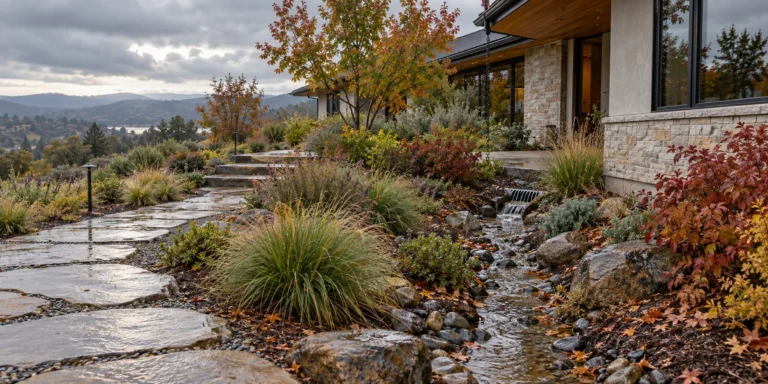
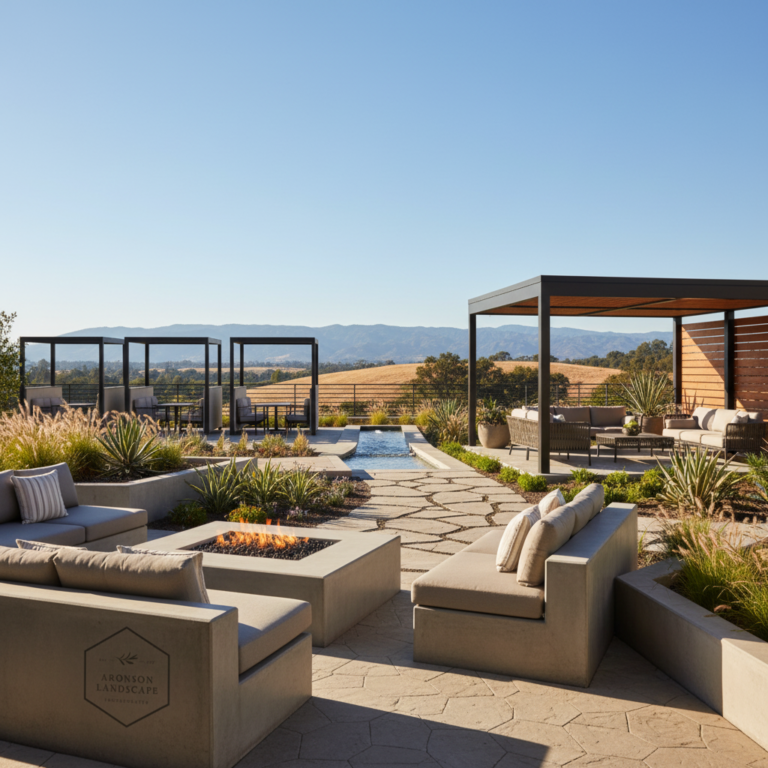
In our rapidly changing world, the choices we make for our homes and businesses have a profound impact on the environment. This is especially true for our landscapes. Embracing sustainable landscaping practices isn’t just a trend; it’s a vital commitment to ecological health, resource conservation, and long-term beauty. For residents and businesses in Rocklin, Roseville, Auburn, Loomis, and Lincoln, understanding and implementing these practices can transform outdoor spaces into thriving, eco-friendly havens. Aronson Landscape is at the forefront of this movement, bringing expert knowledge and innovative solutions to your properties.
Understanding Sustainable Landscaping: Fundamentals and Philosophy
What is Sustainable Landscaping?
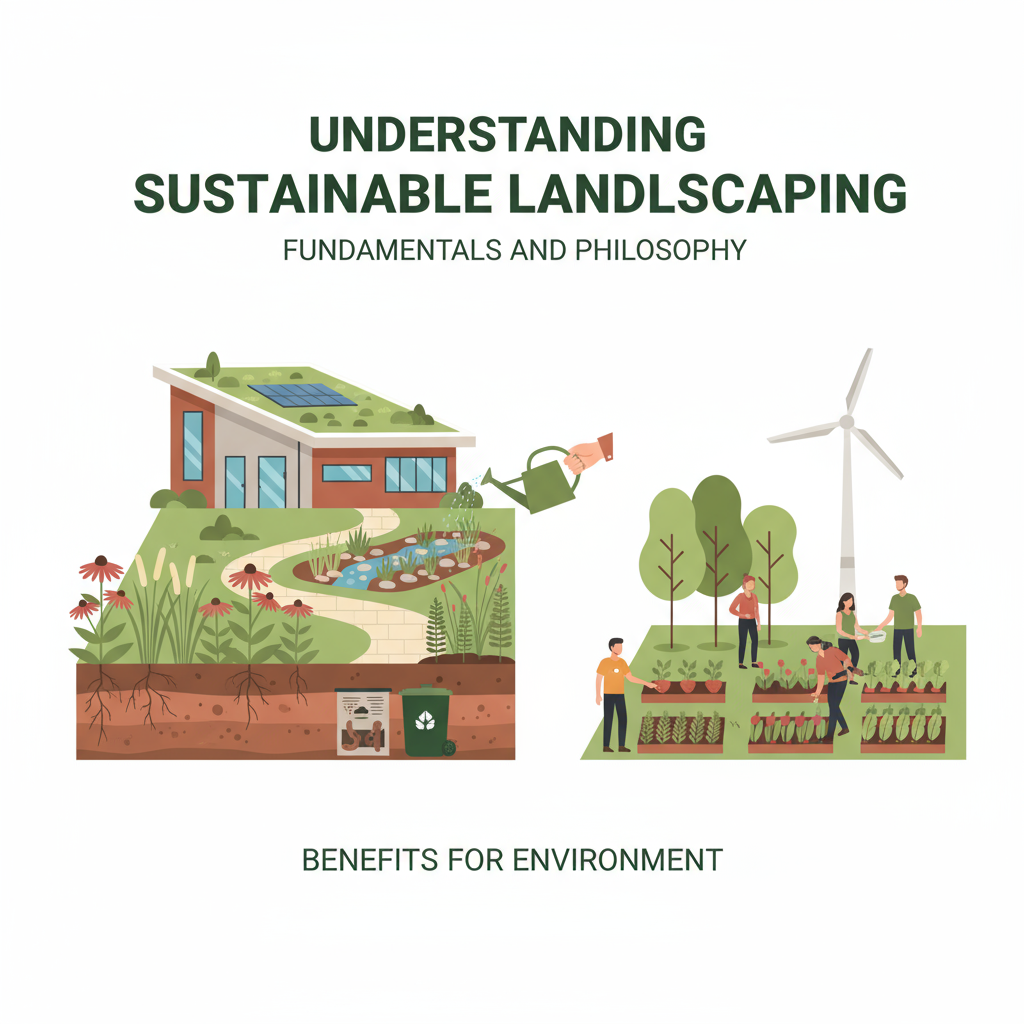
Sustainable landscaping is an approach to the design, construction, and maintenance of landscapes that considers environmental, social, and economic benefits. It’s about creating aesthetically pleasing and functional outdoor spaces that harmonize with the natural environment, conserve resources, and reduce waste. This holistic approach moves beyond traditional landscaping by prioritizing ecological integrity and long-term viability.
Why is Sustainable Landscaping Important? (Environmental, Economic, Social Benefits)
Sustainable landscaping practices offer a multitude of advantages. Environmentally, they protect biodiversity, conserve water, improve air quality, and reduce pollution. Economically, they lead to significant cost savings through reduced water usage, lower energy bills, and decreased maintenance. Socially, these landscapes enhance well-being, provide attractive public spaces, and foster community engagement. For communities like Auburn and Lincoln, where natural beauty is cherished, these benefits are particularly relevant. For more insights into the broader impact, explore this article on environmental sustainability.
Core Principles of Sustainable Landscape Design
At its heart, sustainable landscape design adheres to several core principles:
- Water Conservation: Utilizing drought-tolerant plants, efficient irrigation, and rainwater harvesting.
- Soil Health: Improving soil structure and fertility through organic matter and reduced disturbance.
- Biodiversity: Promoting native plants to support local wildlife and ecosystems.
- Resource Efficiency: Using recycled, local, and renewable materials; minimizing waste.
- Energy Conservation: Strategic planting for shade and windbreaks.
- Reduced Pollution: Limiting chemical pesticides and fertilizers.
Essential Practices for Water Conservation
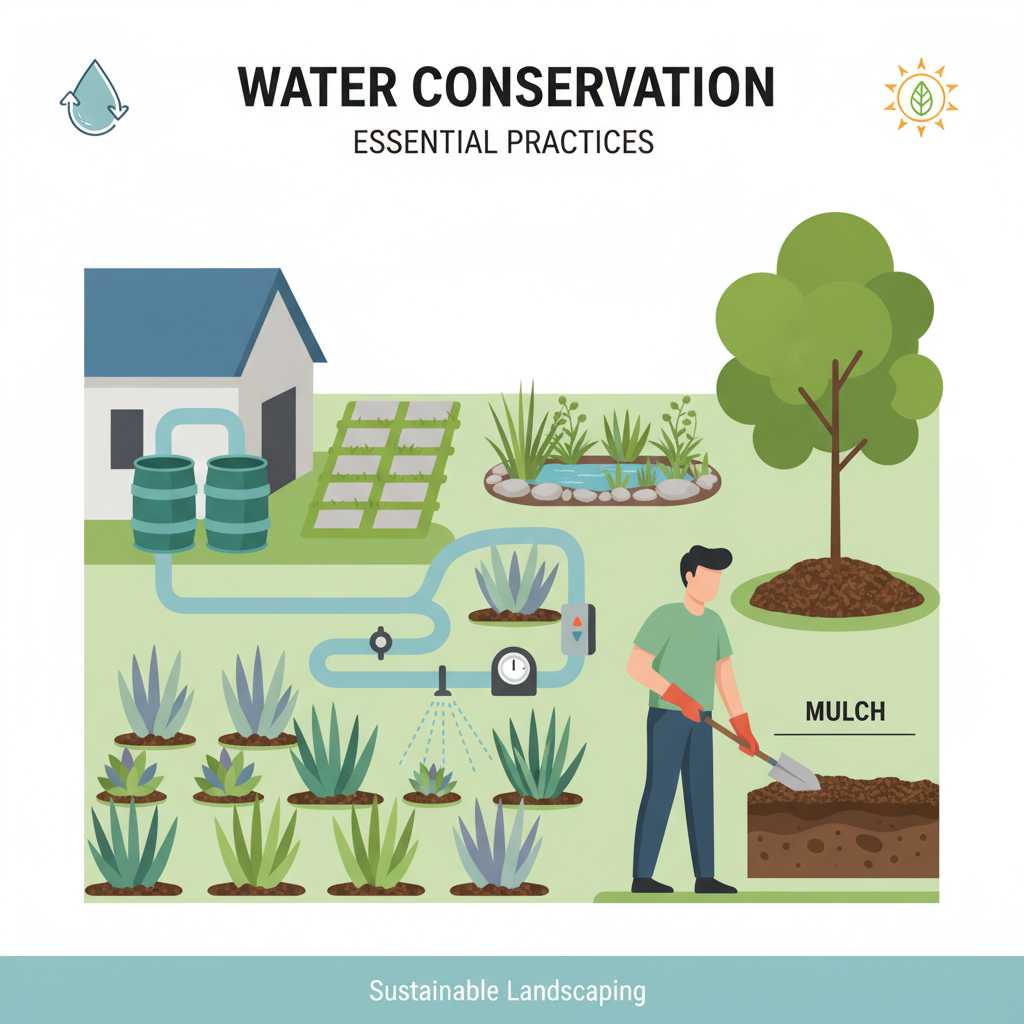
Water is a precious resource, particularly in regions prone to droughts such as ours. Implementing water-wise landscaping techniques is paramount for homes and businesses across Roseville and Loomis.
Xeriscaping and Drought-Tolerant Plants: Selection & Design
Xeriscaping is a landscaping method that reduces or eliminates the need for irrigation. This is achieved by selecting plants naturally adapted to dry conditions. When designing a xeriscape, Aronson Landscape meticulously chooses native and drought-tolerant species that thrive in the local climate, ensuring vibrant gardens with minimal water input. Consider plants like lavender, rosemary, and many California native shrubs that flourish with little supplemental water.
Efficient Irrigation Systems: Drip and Smart Controllers
Upgrading to efficient irrigation systems is a game-changer for water conservation. Drip irrigation delivers water directly to the plant roots, minimizing evaporation and runoff. Smart controllers, on the other hand, automatically adjust watering schedules based on local weather conditions, soil moisture, and plant needs. These technologies ensure that your landscape in Rocklin receives precisely the water it requires, no more, no less.
Rainwater Harvesting: Rain Barrels & Cisterns
Capturing rainwater is an ancient yet highly effective practice. Installing rain barrels or larger cisterns allows you to collect precipitation from rooftops, which can then be used to irrigate your garden. This not only conserves potable water but also reduces stormwater runoff, a significant environmental concern. It’s a simple, cost-effective solution for any property.
Permeable Paving and Rain Gardens for Stormwater Management
Traditional impervious surfaces like concrete driveways prevent rain from soaking into the ground, leading to runoff and potential flooding. Permeable paving materials allow water to infiltrate the soil, recharging groundwater and filtering pollutants. Rain gardens, strategically placed depressions planted with water-loving native species, are designed to capture and absorb stormwater runoff, further enhancing water management and creating beautiful landscape features. For more detailed insights, the United States Environmental Protection Agency offers extensive resources on rain gardens.
Cultivating Healthy Soil and Nutrient Management

Healthy soil is the foundation of a sustainable landscape, acting as a living ecosystem that supports plant growth, retains water, and filters pollutants.
Composting and Mulching: Building Soil Fertility
Composting kitchen scraps and yard waste creates nutrient-rich organic matter that dramatically improves soil structure, fertility, and water retention. Mulching with organic materials like wood chips or shredded leaves suppresses weeds, moderates soil temperature, and slowly releases nutrients as it decomposes. These practices are cornerstones of sustainable gardening, fostering robust plant health without synthetic fertilizers.
No-Dig Gardening and Soil Preservation Techniques
Traditional tilling can disrupt the delicate soil ecosystem. No-dig gardening techniques, where organic matter is layered directly onto the soil surface, preserve soil structure, encourage beneficial fungi and bacteria, and reduce erosion. These methods are excellent for maintaining long-term soil health, especially for vegetable gardens and perennial beds.
Understanding Soil Testing and Amendments
Before adding any amendments, it’s crucial to understand your soil’s current composition. Soil testing reveals its pH, nutrient levels, and texture. With this information, Aronson Landscape can recommend specific, targeted amendments like compost, rock dust, or lime to optimize soil health naturally, avoiding unnecessary chemical inputs.
Biodiversity and Native Plant Integration
Protecting and enhancing local biodiversity is a cornerstone of sustainable landscaping. Incorporating native plants is one of the most effective ways to achieve this.
Benefits of Native Plants for Local Ecosystems
Native plants are indigenous to a particular region and have evolved alongside local wildlife. They are perfectly adapted to the climate and soil conditions of areas like Loomis and Rocklin, requiring less water, fertilizer, and pest control. More importantly, they provide essential food and shelter for native insects, birds, and other wildlife, supporting the entire local ecosystem. Choosing native plants is one of the most impactful sustainable landscaping practices you can adopt.
Designing Pollinator-Friendly Landscapes
Pollinators, such as bees, butterflies, and hummingbirds, are vital for the reproduction of many plants, including those that produce our food. Designing landscapes with a variety of native flowering plants that bloom at different times of the year provides a continuous food source for these crucial creatures. This simple act can transform your property into a vibrant hub of ecological activity.
Reducing Invasive Species
Invasive plant species can outcompete native plants, disrupt food webs, and reduce biodiversity. Identifying and removing invasive plants and replacing them with native alternatives is a critical step in restoring ecological balance to your landscape. Working with experts like Aronson Landscape ensures that you’re making informed choices for your property and the broader environment.
Eco-Friendly Pest, Disease, and Weed Management
Managing pests, diseases, and weeds doesn’t require harsh chemicals. Sustainable landscaping employs integrated strategies that protect plants while safeguarding the environment.
Integrated Pest Management (IPM) Strategies
Integrated Pest Management (IPM) is a comprehensive approach that prioritizes prevention and uses the least toxic methods first. It involves monitoring pest populations, encouraging beneficial insects that prey on pests, using physical barriers, and employing biological controls. Chemical pesticides are considered a last resort and used only when absolutely necessary and in targeted ways.
Organic Pest Control Methods
Nature provides many effective organic pest control solutions. Neem oil, insecticidal soaps, and diatomaceous earth are excellent alternatives to synthetic chemicals. Companion planting, where certain plants deter pests from others, is another smart organic strategy used by many homeowners in Roseville and Auburn.
Sustainable Weed Management Techniques
Healthy soil and dense planting of desirable plants can naturally suppress weeds. When weeds do appear, sustainable methods include hand-pulling, hoeing, and applying thick layers of mulch. For larger areas, targeted organic herbicides can be considered, but prevention and manual removal are always preferred.
Sustainable Material Choices and Waste Reduction
Every decision, from plant selection to hardscaping materials, contributes to the overall sustainability of your landscape.
Using Recycled and Locally Sourced Materials
Opting for recycled materials like reclaimed wood, recycled concrete, or glass aggregates reduces demand for new resources and keeps waste out of landfills. Choosing locally sourced materials minimizes transportation costs and associated carbon emissions. This practice is not only environmentally sound but can also lend unique character to your landscape design.
Composting Landscape Waste
Instead of bagging up leaves and grass clippings for disposal, compost them! As mentioned earlier, composting this organic waste creates valuable soil amendments. For larger properties or commercial landscapes, Aronson Landscape helps implement efficient on-site composting programs, significantly reducing waste sent to landfills.
Eco-Friendly Hardscaping Options
Hardscaping elements such as patios, pathways, and retaining walls can be designed sustainably. Permeable pavers, natural stone, and recycled composite decking are excellent choices. Consider installing a beautiful and functional permeable driveway in your Lincoln home to manage stormwater, a practice embraced by many forward-thinking property owners.
Energy Efficiency in Landscape Design
Landscaping can play a significant role in reducing a property’s energy consumption, leading to lower utility bills and a smaller carbon footprint.
Strategic Tree Planting for Shade and Windbreaks
Strategically planting deciduous trees on the south and west sides of buildings provides cooling shade in the summer, reducing air conditioning costs. Evergreen trees planted as windbreaks on the north and west sides can reduce heating costs in winter. This thoughtful placement is a simple, yet highly effective energy-saving measure Aronson Landscape incorporates into many designs.
Reducing Lawn Size and Maintenance Energy
Traditional lawns require significant water, fertilizer, and frequent mowing – all of which consume energy. Reducing the size of your lawn or replacing it with drought-tolerant groundcovers, native plant beds, or permeable hardscaping drastically cuts down on maintenance energy (and costs!). This is a popular option for homeowners throughout Rocklin looking to minimize their environmental impact.
Outdoor Lighting Solutions: LED and Solar
Energy-efficient outdoor lighting not only saves electricity but also reduces light pollution. LED lights consume significantly less power and have a much longer lifespan than traditional bulbs. Solar-powered lights are another excellent option, harnessing renewable energy for a truly sustainable lighting solution.
Implementing Sustainable Practices: Commercial vs. Residential
The principles of sustainable landscaping apply to all property types, though their implementation may vary in scale and strategy.
Tailoring Strategies for Residential Gardens
For homeowners in Roseville and Loomis, sustainable landscaping focuses on creating inviting, low-maintenance outdoor living spaces that promote biodiversity and conserve resources. This might involve converting a portion of the lawn to a native plant garden, installing a small rain barrel, or choosing organic pest control methods. The emphasis is often on personal enjoyment and environmental stewardship.
Large-Scale Sustainable Solutions for Commercial Properties
Commercial properties, from office parks in Auburn to retail centers in Rocklin, present opportunities for larger-scale sustainable impacts. This could include extensive xeriscaping, large permeable parking lots, green roofs, and advanced stormwater management systems. The focus often expands to brand reputation, employee well-being, and significant operational cost savings. Aronson Landscape excels at designing and implementing these complex commercial projects.
ROI and Cost-Benefit Analysis for Sustainable Landscaping
While there may be an initial investment, the long-term return on investment (ROI) for sustainable landscaping is substantial. Reduced water bills, lower energy consumption, decreased maintenance costs, and increased property value contribute to significant savings over time. For businesses, this also translates into improved public perception and potential eligibility for environmental certifications. A detailed cost-benefit analysis often reveals that sustainable choices are economically sound.
Advanced Sustainable Landscaping Concepts
Beyond the foundational practices, advanced concepts offer even greater environmental benefits and innovative solutions.
Carbon Sequestration through Landscaping
Plants, particularly trees, absorb carbon dioxide from the atmosphere and store it, a process known as carbon sequestration. Designing landscapes with ample tree cover and healthy soil can actively help mitigate climate change by reducing atmospheric carbon. This is a powerful, often overlooked, benefit of sustainable landscaping.
Mitigating Urban Heat Island Effect
Urban areas, due to extensive impervious surfaces and lack of vegetation, tend to be significantly hotter than surrounding rural areas – a phenomenon called the urban heat island effect. Green infrastructure like urban forests, green roofs, and vegetated walls can dramatically cool urban environments, improving air quality and reducing energy demand for cooling buildings. This is a critical consideration for densely populated areas.
Green Roofs and Living Walls
Green roofs involve planting vegetation on building rooftops, while living walls are vertical gardens attached to building facades. Both offer exceptional insulation, reduce stormwater runoff, filter air pollutants, and provide valuable habitat. While more complex to implement, these solutions represent the cutting edge of urban sustainable design and can transform the environmental footprint of buildings.
Your Sustainable Landscape Journey: Next Steps and Resources
Embracing sustainable landscaping practices is a rewarding journey that benefits both your property and the planet. Whether you’re in Rocklin, Roseville, Auburn, Loomis, or Lincoln, there’s a sustainable solution tailored for you.
Finding Sustainable Landscape Professionals
Choosing the right professional is key to a successful sustainable landscape. Look for experienced designers and installers like Aronson Landscape who specialize in eco-friendly practices, use native plants, and understand efficient irrigation. Their expertise will ensure your vision becomes a thriving reality.
Local Regulations and Incentives
Many local governments and utility companies offer incentives for adopting sustainable landscaping practices, such as rebates for drought-tolerant landscapes or smart irrigation controllers. Research local regulations and available programs in your area; your Aronson Landscape consultant can help you navigate these opportunities. For example, the California Department of Water Resources provides resources and information on water conservation programs throughout the state.
Case Studies and Success Stories
Explore examples of successful sustainable landscapes to inspire your own project. From revitalized commercial properties in Rocklin with significant water savings to beautiful, low-maintenance residential gardens in Loomis, the evidence of sustainable landscaping’s benefits is abundant. Aronson Landscape is proud to showcase numerous success stories across the region, demonstrating our commitment to excellence and environmental stewardship.
Partnering with Aronson Landscape for a Greener Tomorrow
At Aronson Landscape, we are passionate about creating stunning, functional, and environmentally responsible outdoor spaces across Rocklin, Roseville, Auburn, Loomis, and Lincoln. Our expertise in sustainable landscaping practices ensures that your property not only looks beautiful but also contributes positively to our local ecosystems and conserves precious resources. We believe that every landscape has the potential to be a testament to sustainability, enriching lives and protecting our shared environment.
Ready to transform your landscape with sustainable solutions? Contact Aronson Landscape today to discuss your vision and discover how our team can help you achieve a greener, more vibrant outdoor space. Visit aronsonlandscape.com to learn more about our services and begin your sustainable journey.